
· Updated · By Ali Akber, CEO, SS Automotive Group
Someone Hit My Car: Whose Insurance Do I Call?
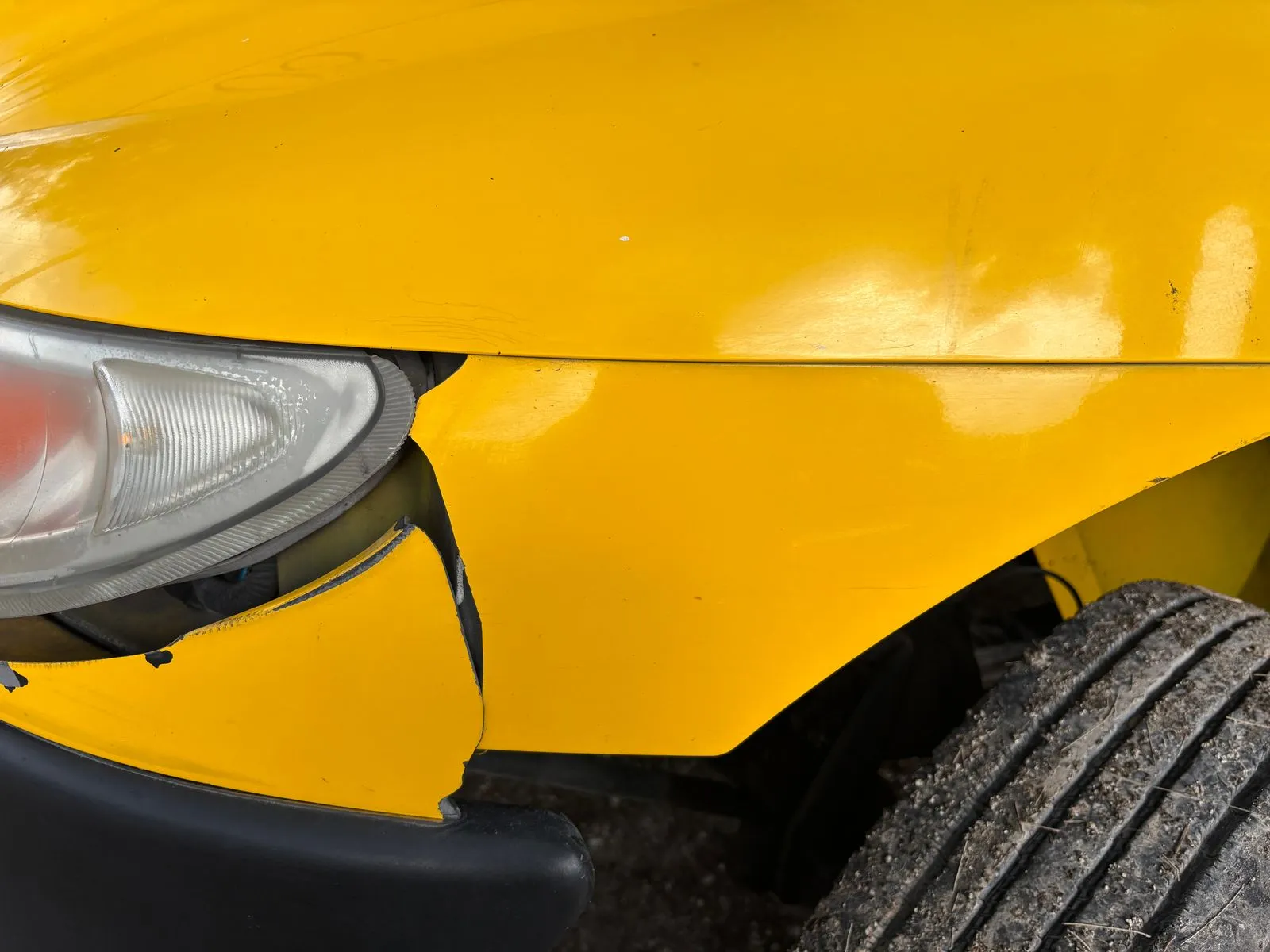
Someone hit your car, it wasn't your fault, and now you're holding a piece of paper with their details and wondering who to ring. Here's whose insurance pays, the two ways to make the claim, and what to do if the other driver or their insurer goes quiet.
The short answer
If the other driver caused the crash, their insurance is meant to pay for the damage to your car. You can get there two ways: through your own insurer, or directly with theirs. Which one is better depends on your cover and how clear-cut the fault is. If you're not sure what your own policy covers, see comprehensive vs third party cover.
First, what you must do at the scene
In Victoria, Transport Victoria says drivers involved in a crash must stop, help anyone injured, and give their details to the others involved: name, address, vehicle registration and the vehicle owner's name. You must report the crash to the nearest police station if someone is injured and police aren't there, or if property is damaged and the owner isn't there.
For the insurance side, Moneysmart also suggests getting the other driver's phone number, licence details and insurance company, plus the make, model and colour of their car. Photos of the scene and witness contacts help a lot later. Victoria Police explains when and how to report a crash.
Option 1: claim through your own insurer
If you have comprehensive cover, you can lodge the claim with your own insurer. They organise the repair and then recover the cost from the other driver's insurer. It's often the least hassle, because your insurer does the arguing. The catch is your excess: you generally pay it on your own policy unless your policy waives it, and waivers often depend on details such as whether the at-fault driver can be identified. Here's how the excess works when you're not at fault.
Option 2: claim directly with the other driver's insurer
You can also contact the at-fault driver's insurer and lodge a claim with them as a third party. You aren't claiming on your own policy, so your own excess doesn't apply. This is the main route if you only have third party property cover, because your policy won't pay for your car. Their insurer will want to confirm with its customer that they caused the crash, which can take time if the other driver is slow to respond. If you need an insurer's contact details, the Insurance Council's find an insurer tool lists insurers.
What if the other driver won't respond?
- Contact their insurer anyway. With the driver's name, rego and insurer, you can lodge the claim yourself. You don't need the driver's permission.
- Know the timeframes. Here's how long a car insurance claim usually takes.
- Put things in writing. Keep copies of emails, dates of calls and the names of people you spoke to.
- Use your own cover if you have comprehensive. Your insurer can repair your car and pursue the other side.
- Complain if it stalls. Insurers have internal complaints processes, and if you're still not happy, the Australian Financial Complaints Authority (AFCA) is the next step.
Where we come in
You don't have to make all these calls yourself. If you weren't at fault and have a claim number, SS Automotive handles the rest: we deal with the insurer, arrange a tow if the car can't be driven (24/7), organise a replacement car where you're eligible once the claim paperwork is finalised and the car is dropped off (see how not-at-fault hire cars work) and repair the car in our Dandenong workshop, with paint done in our own spray booth and a lifetime warranty on workmanship. See how our car accident repairs and not-at-fault claims work, or what's involved in our smash repairs. A crash can also damage parts you can't see, so the same team can check your brakes and suspension and wheels and tyres while the car is with us.
Common questions
Should I call my insurer even if it wasn't my fault?
It's usually wise to let your insurer know about the accident even if you end up claiming through the other driver's insurer. Check your policy, as many ask to be told about accidents promptly.
The other driver admitted fault at the scene. Is that enough?
It helps, but insurers decide fault based on the evidence. Photos, witness details and a clear account of what happened carry more weight than a verbal admission.
What if the other driver isn't insured?
Then there's no insurer to claim from on their side. If you have comprehensive cover, claim through your own insurer. Otherwise you may need to recover the cost from the driver directly. Victoria Legal Aid and the Dispute Settlement Centre of Victoria have information on your options.
Related help
Accident help at SS Automotive
- Not-at-fault accident claims: towing, replacement car, insurer liaison and repairs
- Smash repairs and panel beating in Dandenong
- Start your not-at-fault claim online
More guides from our blog
- Insurance excess explained: do you pay it if you're not at fault?
- How long does a car insurance claim take?
- Not-at-fault hire car: can you get a replacement car after a crash?
- Comprehensive vs third party car insurance: who pays after a crash?
- All car care and accident guides
Official resources
- Moneysmart: claiming on your car insurance
- Australian Financial Complaints Authority (AFCA)
- Transport Victoria: crash responsibilities
- Transport Accident Commission (TAC)
For the whole claim process in one place, read our guide to insurance claims after a crash in Victoria.
Someone hit your car?
Hand us the claim number. We'll do the calls.
Towing arranged 24/7. Call 03 8774 5785 or start your claim online. 5 Quinn Street, Dandenong VIC 3175.
Start Your Claim