· Updated · By Ahsan, Manager, SS Automotive Group
What to Photograph After a Car Accident: A Phone Checklist
After a car accident, photograph the whole scene, both cars from all four corners, every number plate, each damaged area close up and wide, and the road, signs and lane markings. Work from wide to close, and only start once everyone is safe and out of traffic. If another driver caused the crash, these photos are also the first thing our not-at-fault claims team will ask you for.
A wide shot is a photo taken a few steps back that shows where the cars sit on the road, or where the damage sits on a car. A close-up is a photo of one damaged area that shows how deep the damage goes. Dashcam footage is video recorded by a camera mounted in the car, and many dashcams record over older clips once the card fills up.
Key Takeaways
- No photo is worth stepping into a live traffic lane. Get safe and call 000 if anyone is hurt.
- Work from wide to close: the scene, all four corners of both cars, the plates, close-ups of damage, then the road and signs.
- Use your phone for the paperwork too, such as the other driver's details, witness contacts, dashcam clips and the tow truck's details.
- Leave other injured people out of your photos. That's a job for police and paramedics.
- Don't edit the originals, back them up the same day, and keep them off social media while the claim is open.
Safety comes before the camera
The photos you take in the ten minutes after a crash often do more for your claim than anything you say on the phone later. But no photo is worth stepping into a live traffic lane. Before you reach for your phone:
- Turn on your hazard lights and check yourself and your passengers for injuries.
- Call 000 if anyone is hurt, if there's a fuel leak or fire risk, or if the cars are blocking a busy road and can't be moved.
- If the car is drivable and it's safe, move it off the road. On a freeway such as the Monash or EastLink, get yourself and your passengers behind the barrier if you can.
- Never take photos while you're still driving.
Victorian law also sets out what every driver involved must do. Transport Victoria's crash responsibilities page says you must stop, help anyone injured and give your name, address, vehicle registration and the owner's name to the others involved. You must also report the crash to the nearest police station if someone is injured and police aren't there. The same applies if property is damaged and the owner isn't there. Our step-by-step guide to what to do after a car accident covers the full sequence.
The photo checklist
Work from wide to close. Wide shots give context, close-ups give detail, and an insurer or repairer needs both. Memories blur and cars get moved, but a clear set of pictures shows where everyone was, what was damaged and what the road looked like.
| What to photograph | Why it helps |
|---|---|
| The whole scene from both directions, before the cars move (only if it's safe to leave them) | Shows where each car ended up and the direction of travel |
| Both cars from all four corners, a few steps back | Records every panel, including damage you haven't noticed yet |
| Every number plate | Links each car to its driver and insurer |
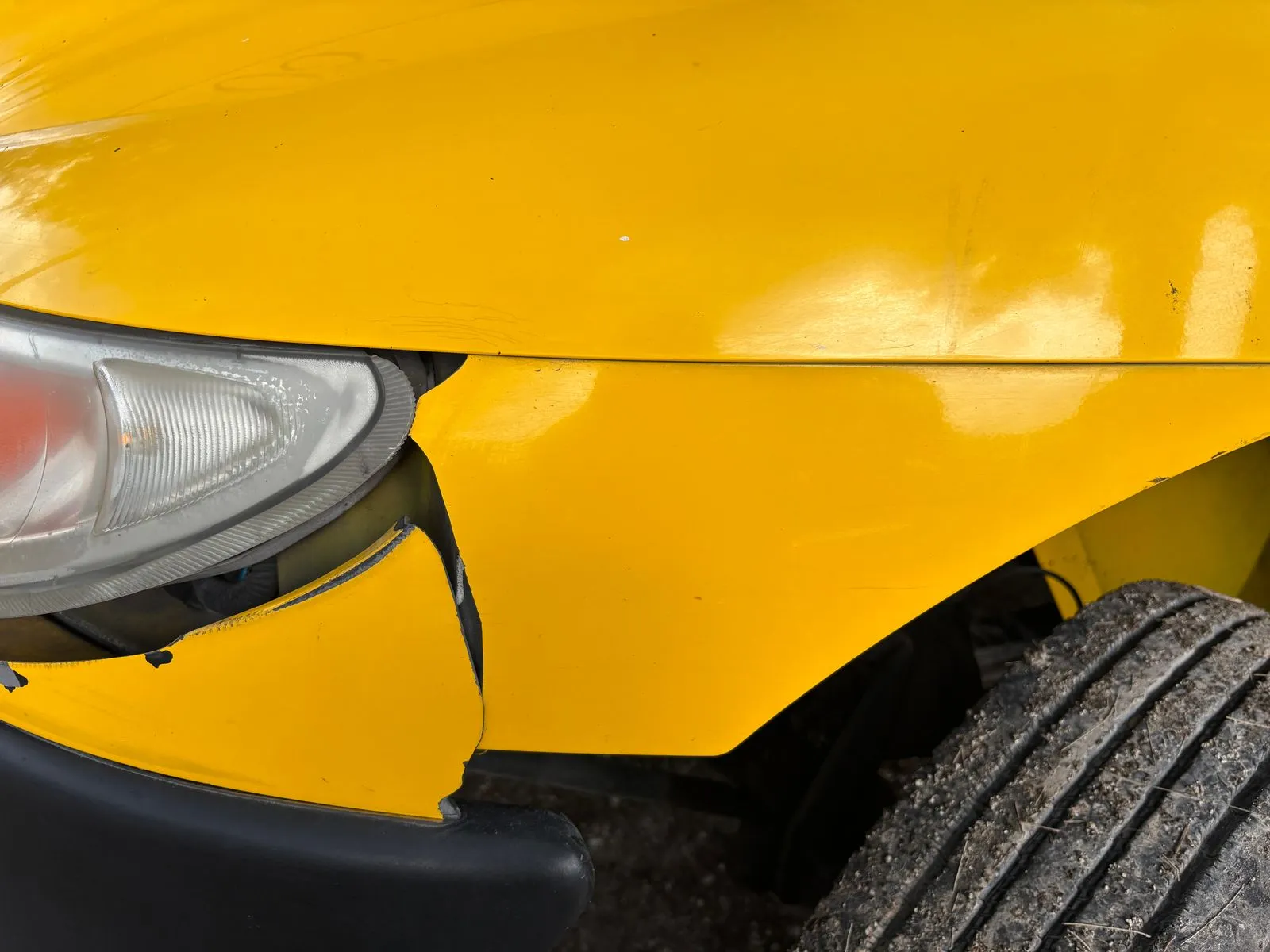
| Each damaged area close up, then one wider shot of the same spot | The close-up shows the depth of the damage, the wider shot shows where it sits on the car |
| The road: wet surface, skid marks, debris, potholes, roadworks, lighting | Explains the conditions at the time of the crash |
| Traffic lights, give way or stop signs, lane markings | Helps show who had right of way |
| Your dashboard if a warning light or airbag light is on | Hints at damage you can't see from outside |
If the cars have to be moved for safety before you can photograph them, move them. Then photograph where they were if there's debris or glass on the road. Note the original positions in writing while you remember them.
Details worth capturing on your phone
Beyond the cars, your phone is the easiest way to record the paperwork side. Moneysmart's claims guide lists what to swap at the scene. That includes contact details, the owner's details if the driver doesn't own the car, licence and registration, insurer, and the car's make, model and colour. If the other driver is happy for you to photograph their licence and insurance details, that saves spelling mistakes. If they'd rather read them out, type them into your notes app on the spot.
- Witnesses. Get names and numbers. A quick voice memo of what they saw, with their permission, is useful.
- Dashcam footage. Save the clip straight away. Many dashcams record over older footage once the card fills up.
- The tow truck. If one attends, photograph its number plate and the company name. Your insurer may ask for the tow company's details.
- A short video walk-around of both cars, as a backup if your photos miss something.
Injuries: take care with these
If anyone is hurt, help them and call 000. Leave other injured people out of your photos, especially strangers; recording their injuries is a job for police and paramedics. If you have visible injuries yourself, photos taken later, once you've been checked over, can support your medical records. Injury claims in Victoria go through the TAC, separately from the claim for the car.
How the photos help your claim
Moneysmart notes that insurers may ask for a description of what happened plus photos, and that they may investigate to confirm who was at fault. Good photos help in three ways:
- Fault. Car positions, signs and road markings back up your account if the other driver later tells a different story.
- Repairs. A repairer can see the likely scope of the job before the car arrives, and the insurer's assessor has a record of the damage on the day.
- Disputes about extra damage. Photos taken at the scene show what the crash caused, which helps if anyone later questions a dent or scrape.
A few habits that make photos more useful
- Leave your phone's date, time and location settings on, and don't crop, filter or edit the originals.
- Take more than you think you need.
- Back the photos up or email them to yourself the same day.
- Keep them off social media while the claim is open.
Common questions
I didn't take photos at the scene. Is it too late?
No. Photograph your car as soon as you can, in good light and before any repair. Ask witnesses whether they took photos. If the crash happened near shops or a service station, ask quickly about security camera footage, as it's often overwritten within days.
Who should I send the photos to?
Send them to your insurer, or to the other driver's insurer if you're claiming against them, and to your repairer. If the crash wasn't your fault, you can upload up to six photos with our claim form and email any extras to admin@ssautomotive.com.au. Keep the unedited originals.
Can I photograph the other driver's licence?
Only if they're happy for you to. Moneysmart lists licence, registration and insurer among the details to swap at the scene, and a photo saves spelling mistakes. If the other driver would rather read the details out, type them into your phone's notes app on the spot.
If another driver caused the crash, our not-at-fault accident claims service takes it from the claim number. We deal with the insurer and arrange towing 24/7. Once the claim paperwork is finalised and you drop your car off, you get a replacement car straight away. Replacement cars are arranged through an authorised rental company, and fuel, tolls and fines during the hire are your responsibility. The repair is done at our Dandenong workshop, with paint in our own spray booth. This is general information, not legal advice, and every claim depends on the policy and the insurers involved.
About this guide
Written for SS Automotive Group and reviewed by Ahsan, our Manager, at our workshop at 5 Quinn Street, Dandenong. AI writing tools help us draft some guides; a person checks every fact against the sources linked in it. Read our editorial policy, or contact us if something here is wrong or out of date.
Been in a crash?
Send us your photos and claim number.
Towing arranged 24/7. 5 Quinn Street, Dandenong VIC 3175. Call 03 8774 5785 or start your claim online.
Call 03 8774 5785 Start Your Claim