· Updated · By Ali Akber, CEO, SS Automotive Group
Engine Overheating in Summer: Causes and What to Do
Watching the temperature gauge climb toward the red on a stinking hot day, stuck in traffic, is one of the more stressful moments behind the wheel. When a car is overheating in summer, the heat is rarely the real cause. A hot day puts the cooling system under its heaviest load, and that exposes a fault that was already there: a slow leak, a tired thermostat, a fan that isn't cutting in. If the gauge starts rising, turn the aircon off and the heater to full hot, then pull over when it's safe and switch the engine off. The RACV says to give it at least 15 minutes to cool, and the radiator cap should never be opened while the engine is hot. Driving on with the gauge in the red is how a hose or thermostat repair turns into a failed head gasket. Here's what usually goes wrong, what to do the moment the gauge starts rising, and how to stop it happening.
What's happening when an engine overheats
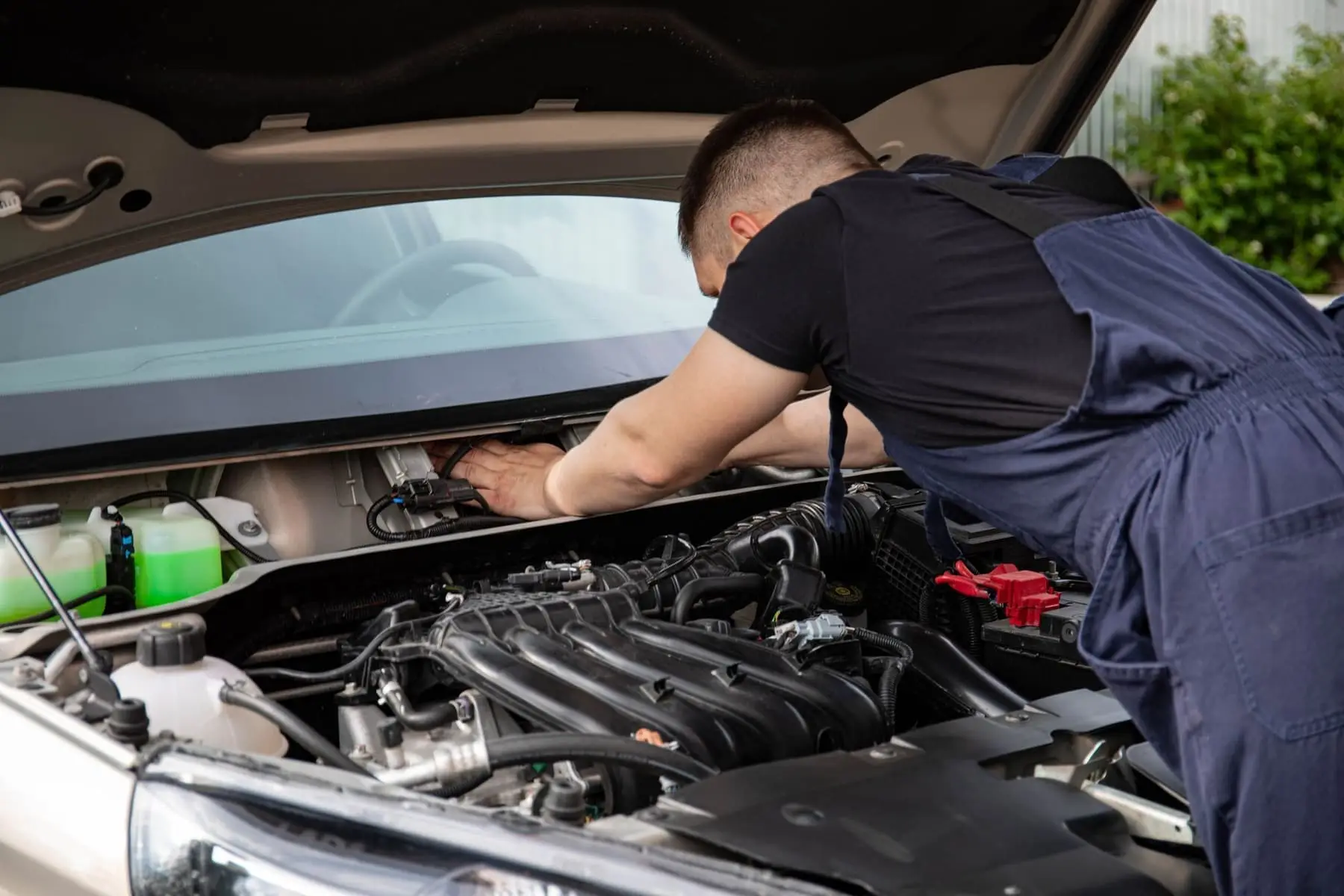
Your engine relies on coolant circulating through it, picking up heat, and releasing that heat through the radiator. The water pump keeps it moving, the thermostat controls when it flows to the radiator, the radiator cap holds the system under pressure so the coolant doesn't boil, and the fan pulls air through the radiator when the car isn't moving fast enough to do it on its own.
Overheating happens when any part of that cycle breaks down: not enough coolant, coolant not flowing properly, or not enough air through the radiator to shed the heat. On a mild day a marginal system can just about cope. On a 38-degree afternoon crawling along the Monash with the aircon on, it can't.
Common causes, and the clues that point to each
| What you notice | Likely cause |
|---|---|
| Coolant level keeps dropping, sweet smell, drips under the car | A leak from a hose, the radiator, the water pump or the radiator cap seal |
| Fine on the freeway, gauge climbs in traffic | Radiator fan not switching on, or a fan fault |
| Runs hot at speed or under load, such as towing or hills | Partly blocked radiator, or a thermostat that isn't opening fully |
| Gauge swings up and down, heater blows cold | Low coolant or air trapped in the system |
| Coolant disappearing with no visible leak, white sweet-smelling exhaust smoke | Possible head gasket problem; stop driving and get it diagnosed |
A slow leak is one of the most common causes. Hoses perish with age and heat, water pumps start to weep from their seals, and radiators corrode. The RACV's guide to keeping your car cool in summer also points to the radiator cap: a faulty cap can let coolant escape and lead to overheating. Old coolant matters too. It breaks down over time, which is why manufacturers list an interval for replacing it.
What to do if your temperature gauge starts climbing
Signs that the engine is overheating include the temperature gauge rising toward the red or a warning light, steam from under the bonnet, a hot smell and coolant on the ground. If you see any of them:
- Turn the air conditioning off and turn the heater to full hot with the fan on high. It's uncomfortable, but the heater core works like a small extra radiator and can buy you a little time.
- Pull over as soon as it's safe and switch the engine off.
- On a freeway, use the emergency lane, put your hazard lights on, and stay in the car if it's safe to do so while you call for help.
- Give the engine time to cool. The RACV's hot weather guide says to allow at least 15 minutes; on a very hot day, give it longer.
- Once it has cooled, check the coolant reservoir level if you know how, and look for leaks under the car and around the hoses and radiator.
If the coolant is at the right level and there's no sign of a leak, the RACV suggests you can continue while watching the gauge closely and head to a mechanic. If the level was low, the gauge climbs again, or you're not sure, call roadside assistance. Driving on with the gauge in the red to "just get home" is how a hose or thermostat repair turns into a warped cylinder head or a failed head gasket.
What not to do
Never open the radiator cap or coolant reservoir cap while the engine is hot. The system is under pressure, and the coolant inside can be well above boiling point; releasing the cap can spray it over your hands and face. Don't pour cold water over a hot engine either, as the sudden temperature change can crack components. If you need to top up, wait until the engine is cool and add coolant to the reservoir, not water straight into a hot radiator. If you're not confident, leave it and get help.
Preventing it before summer peaks
Most cooling faults give a warning before they leave you stranded, if someone looks for them. Before the hottest part of summer, it's worth checking:
- Coolant level and condition, checked with the engine cold
- Hoses for cracks, swelling or softness, and clamps for weeping
- The radiator for leaks, corrosion and fins blocked by bugs or debris
- The radiator cap seal
- That the fan switches on as the engine warms up
- When the coolant was last replaced, against your manufacturer's interval
If your aircon is struggling on hot days as well, the cause may be separate. Our car air conditioning service diagnoses that side of things. Heading away for the holidays? Add the cooling system to your pre-road trip car check.
If your car has run hot recently, or it's been a while since the cooling system was checked, our engine and cooling system repairs cover radiators, hoses, water pumps and thermostats, and we trace where the coolant is going before replacing anything. Book a service, or call us on 03 8774 5785.
Heat is hard on tyres too: see how Melbourne's hot days affect your tyres.
Running hot?
Get your cooling system checked before it fails.
5 Quinn Street, Dandenong VIC 3175 — Monday to Friday, 9:00 AM to 6:00 PM (Saturday 10:00 AM to 3:00 PM by appointment).
Book a Service