· By Ahsan, Manager, SS Automotive Group
Roundabout Crash in Victoria: Who's at Fault?
In most Victorian roundabout crashes, the driver at fault is the one who entered without giving way to a vehicle already in the roundabout. Multi-lane roundabouts are less clear-cut, because lane choice, indicating and lane changes inside the roundabout all come into it. The insurers make the final call on fault, and they work from the road rules and the evidence, so what you record at the scene matters.
Giving way means slowing down or stopping to avoid a crash. A vehicle already in the roundabout is one that has entered the circulating lanes before you, and Victoria's rules say you must give way to it before you enter. A multi-lane roundabout has two or more lanes travelling around the central island, with separate rules about which lane to approach in.
Key Takeaways
- Before entering, you must give way to any vehicle already in the roundabout and to any tram entering or approaching it.
- In a multi-lane roundabout, turn left from the left lane and right from the right lane, and stay in that lane. Going straight, you can use any lane unless it's marked for turns only.
- A driver who moves from one marked lane to another must give way to traffic already in the lane they're moving into.
- A wrong or missing indicator doesn't remove the other driver's duty to give way, but insurers can take it into account.
- Fault is decided by the insurers from the rules and the evidence, and it can be shared.
The roundabout rules that decide most claims
Transport Victoria's roundabout rules page sets out the basics, which come from Part 9 of the Road Safety Road Rules 2017. When a claim is disputed, these are the rules each insurer will check the drivers' accounts against.
| Situation | What the rules say | Where disputes usually arise |
|---|---|---|
| Entering | Give way to any vehicle already in the roundabout and to trams entering or approaching it | Whether the other car was already in the roundabout when you entered |
| Turning left | Indicate left on approach and keep indicating until you've left; in a multi-lane roundabout, approach from the left lane and stay in it | A left-turning car hit by one cutting across from the right lane |
| Turning right | Indicate right on approach, indicate left just before exiting if possible; in a multi-lane roundabout, approach from the right lane and stay in it | A right-turning car exiting across a car in the left lane |
| Going straight | Don't indicate on approach, signal left as you exit if possible; any lane unless marked for turns only | Two cars side by side, both claiming the same exit lane |
| Bicycle riders | Can stay in the left lane even when going straight or turning right, but must give way to vehicles exiting | A car exiting across a rider still circulating in the left lane |
Common roundabout crashes and how fault tends to fall
Every crash turns on its own facts, so treat these as general patterns rather than a ruling on your claim.
- A car entering hits a car already going around. This is the most common type, and the entering driver usually carries the fault because they had to give way. The damage pattern often backs it up: the front of the entering car meets the side of the circulating car.
- Side-by-side cars in a two-lane roundabout. One car drifts or turns across the other's lane, often on the way out. Rule 148 of the Road Safety Road Rules 2017 says a driver moving from one marked lane to another must give way to vehicles in the lane they're moving into. Which lane each car approached from, and where each one was heading, usually settles it.
- Misleading or missing indicators. A driver who indicates left and then keeps going around can cause another driver to pull out. The driver entering still had to give way, but the false signal is part of the story, and insurers may split fault.
- A nose-to-tail bump on the approach. The car in front brakes to give way and the car behind runs into it. These are usually treated like any rear-end crash, with the driver behind expected to keep a safe distance.
How insurers work out who's at fault
Neither driver decides fault at the roadside. Each insurer looks at the claim and, where they disagree, they negotiate between themselves. RACV's motor insurance product disclosure statement gives a useful look at the process. To decide whether its customer wasn't at fault, it may ask for extra information, such as witness statements or photographs, and it considers any laws, bylaws or rules that apply to the circumstances. Other insurers word it differently, but the approach is broadly similar.
At a roundabout, that means the evidence that helps most is anything that shows when each car entered and which lane it was in:
- photos of where both cars stopped, the lane markings and any arrows on the road
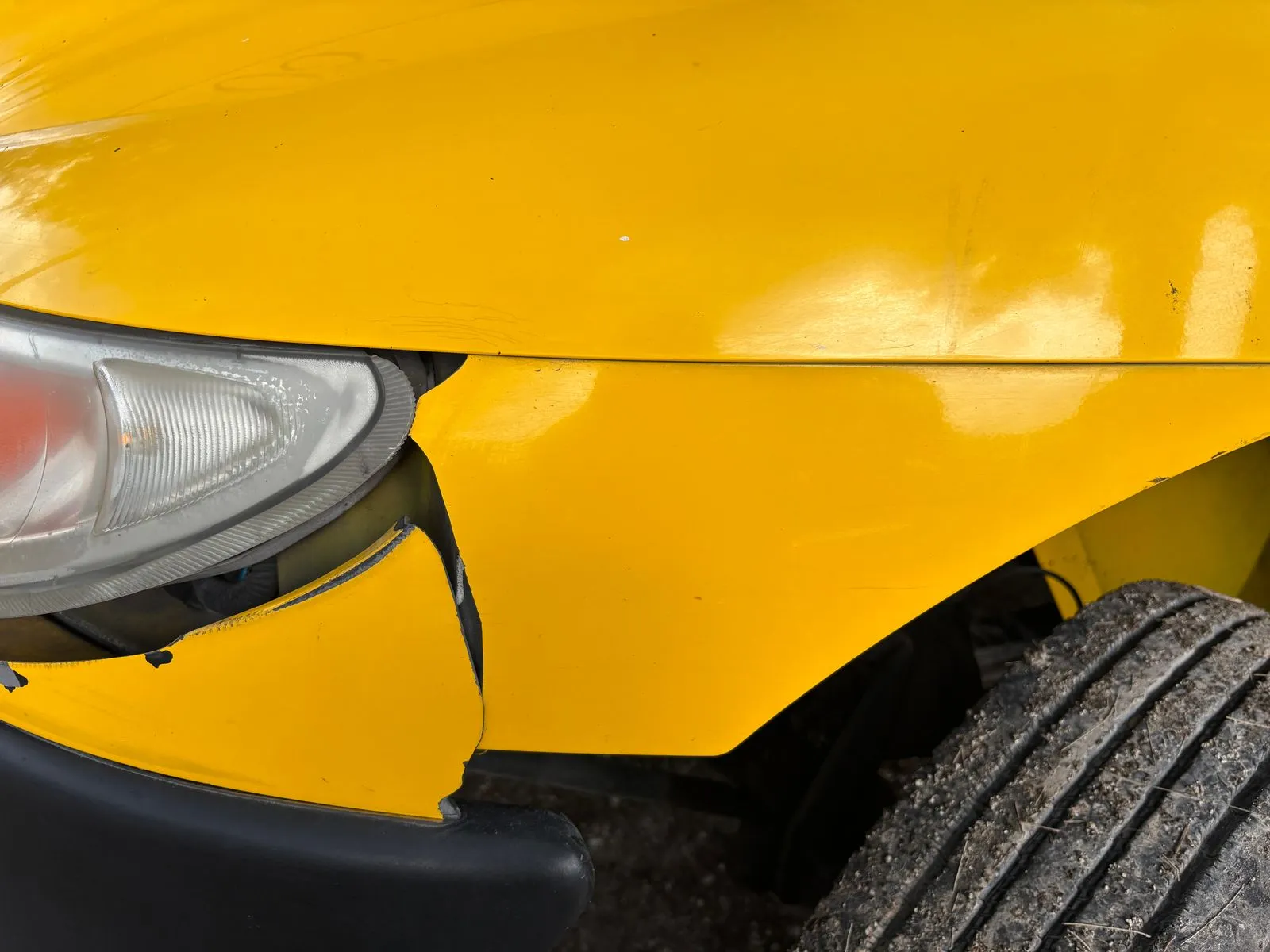
- close-ups of the damage on both cars, since the point of impact shows which car struck which
- dashcam footage, saved before it records over
- names and phone numbers of independent witnesses
- a quick sketch of the roundabout, the entry each car used and the exit it was heading for
Our guide on what to photograph after a car accident covers the shots insurers find most useful.
If the other driver caused the crash
If you weren't at fault, you can usually claim against the other driver's insurer rather than your own, which can matter if you only hold third party cover. Get the other driver's name, address, registration and insurer, and report the crash to police if the law requires it. Our insurance claims guide explains the difference between claiming on your own policy and claiming against the at-fault driver's. Whether the other insurer accepts liability depends on its own assessment, so there's no guaranteed outcome, and a disputed roundabout crash can take longer to settle.
Common questions
Do I give way to the right at a roundabout?
The rule is to give way to any vehicle already in the roundabout. Because traffic travels clockwise, keeping left of the central island, that traffic is usually approaching from your right. A car waiting at the entry on your right that hasn't yet entered isn't “already in the roundabout”.
Can both drivers be found at fault?
Yes. Insurers can agree that both drivers contributed, for example where one failed to give way and the other changed lanes inside the roundabout. How a split affects your excess and premium depends on your policy.
Do I need to indicate when going straight through?
Not on the approach. Transport Victoria says to signal left as you exit, if it's possible to do so.
The other driver says I came in too fast. Does that change anything?
Speed can be part of the picture, but the give-way rule still applies to the driver entering. This is where dashcam footage and independent witnesses carry real weight, so collect them early.
If another driver ran into you at a roundabout, our not-at-fault accident support covers the claim against their insurer, towing and repairs. This is general information, not legal advice, and the outcome depends on the insurers involved. Have the other driver's details ready? Start your claim online or call 03 8774 5785.
About this guide
Written for SS Automotive Group and reviewed by Ahsan, our Manager, at our workshop at 5 Quinn Street, Dandenong. AI writing tools help us draft some guides; a person checks every fact against the sources linked in it. Read our editorial policy, or contact us if something here is wrong or out of date.
Not your fault?
Send us your claim number.
Towing arranged 24/7 on 03 8774 5785. We deal with the insurer, and once the claim paperwork is finalised and you drop your car off, you get a replacement car. Replacement cars are arranged through an authorised rental company, and fuel, tolls and fines during the hire are your responsibility.
Call 03 8774 5785 Start Your Claim